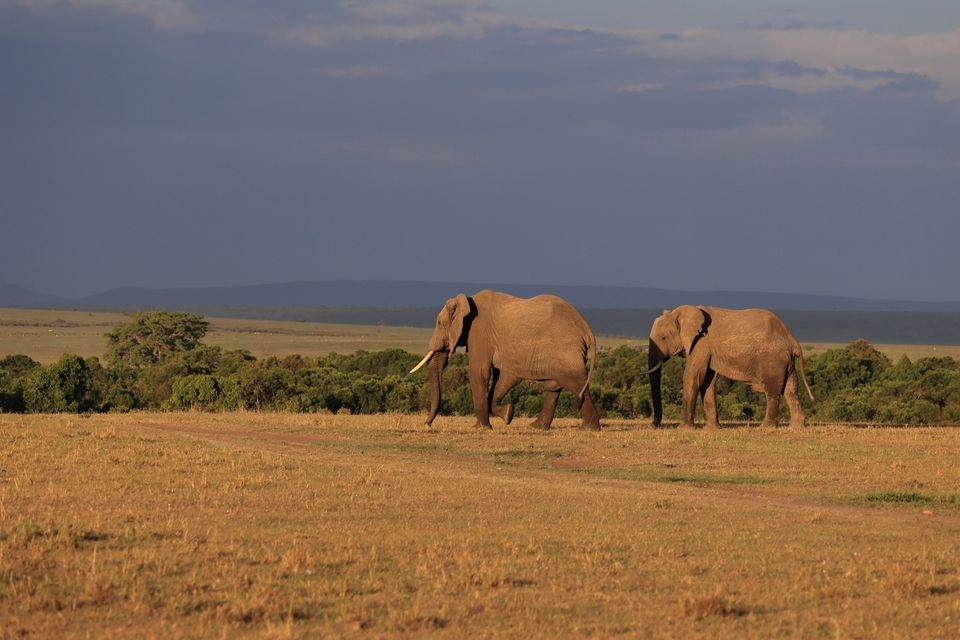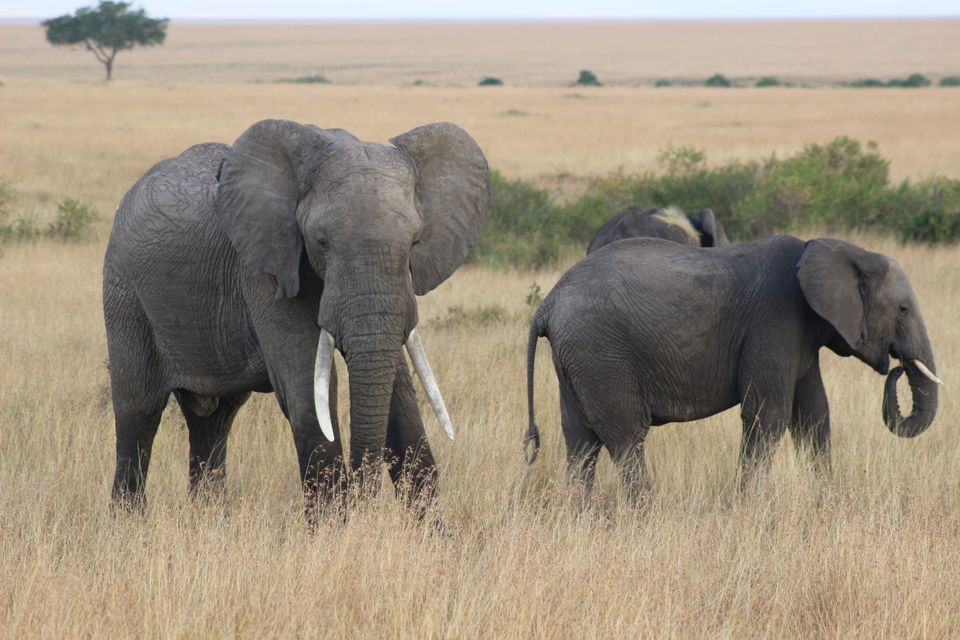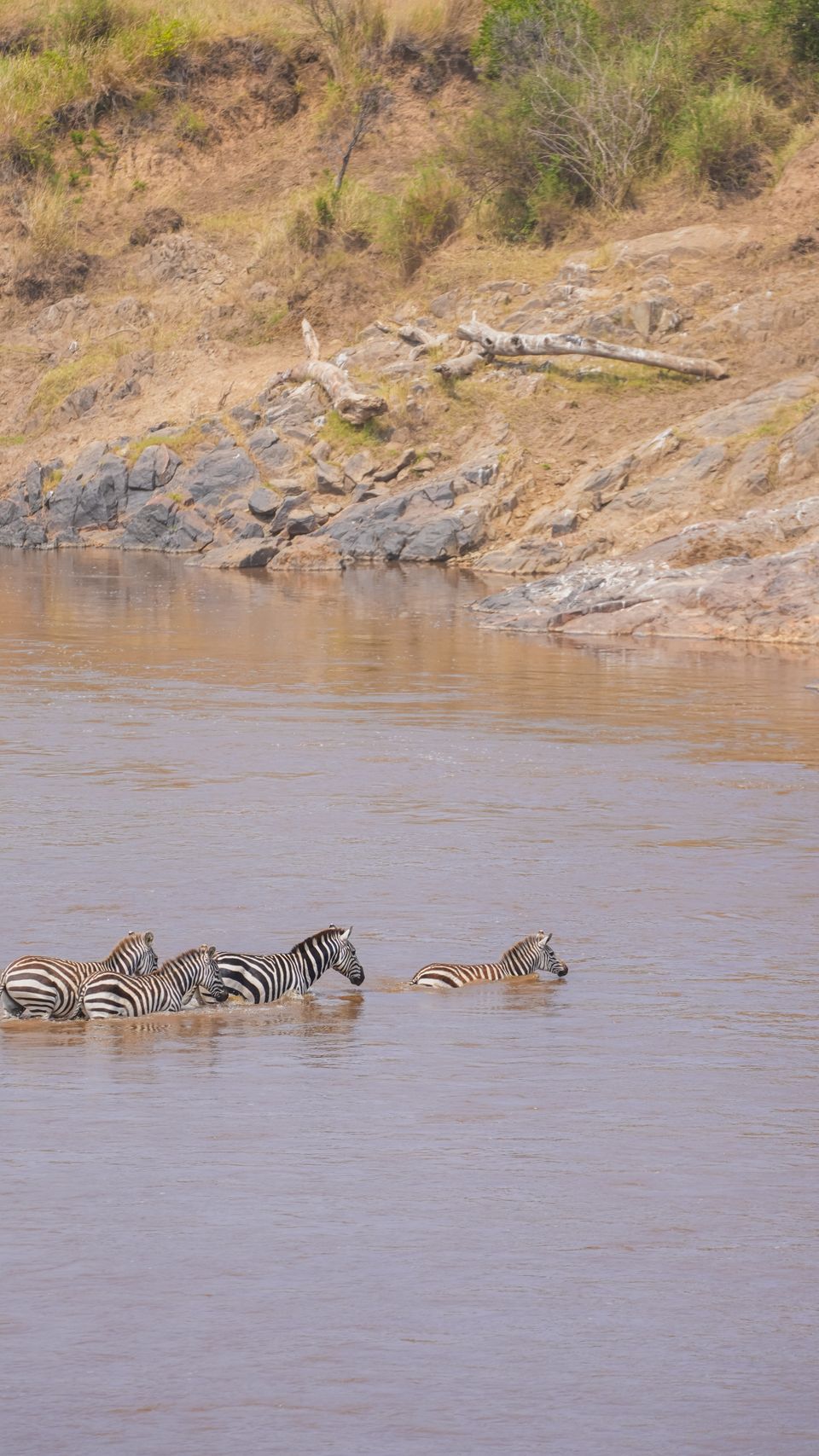
The Masai Mara is Kenya's best-known reserve and the northern extension of Tanzania's Serengeti ecosystem. Open, rolling savannah dotted with acacia trees makes for some of the easiest big-game viewing in East Africa, and the reserve holds resident populations of lion, elephant, buffalo and both leopard and cheetah year-round. Between roughly July and October the reserve also hosts part of the wildebeest migration as herds cross the Mara River from the Serengeti.
Morning and afternoon game drives
Hot air balloon safaris over the plains at sunrise
Guided walks with a Maasai guide in community conservancy areas bordering the reserve
Visits to Maasai villages to learn about local culture
The Mara has resident wildlife throughout the year. For the wildebeest migration and river crossings, July to October is the classic window, though exact timing shifts year to year with rainfall. The calving season further south in the Serengeti (January-March) means fewer wildebeest in the Mara itself during those months, though resident game viewing remains good.
By road, it's roughly 5-6 hours' drive from Nairobi via Narok, which is how most of our safaris reach the reserve. Scheduled light-aircraft flights also connect Nairobi's Wilson Airport to several airstrips in and around the Mara in around 45 minutes, useful if you want to save driving time on a shorter trip.
Options range from budget campsites and mid-range tented camps to luxury lodges, both inside the reserve boundaries and in the private conservancies that border it. Conservancy stays typically allow night drives and off-road driving, which the main reserve does not.
Park entry fees apply per 24-hour period and are payable per person
Malaria risk area - antimalarial precautions are recommended
Mobile network coverage is patchy but generally available near camps
Tell us your dates and we'll build an itinerary that includes it.