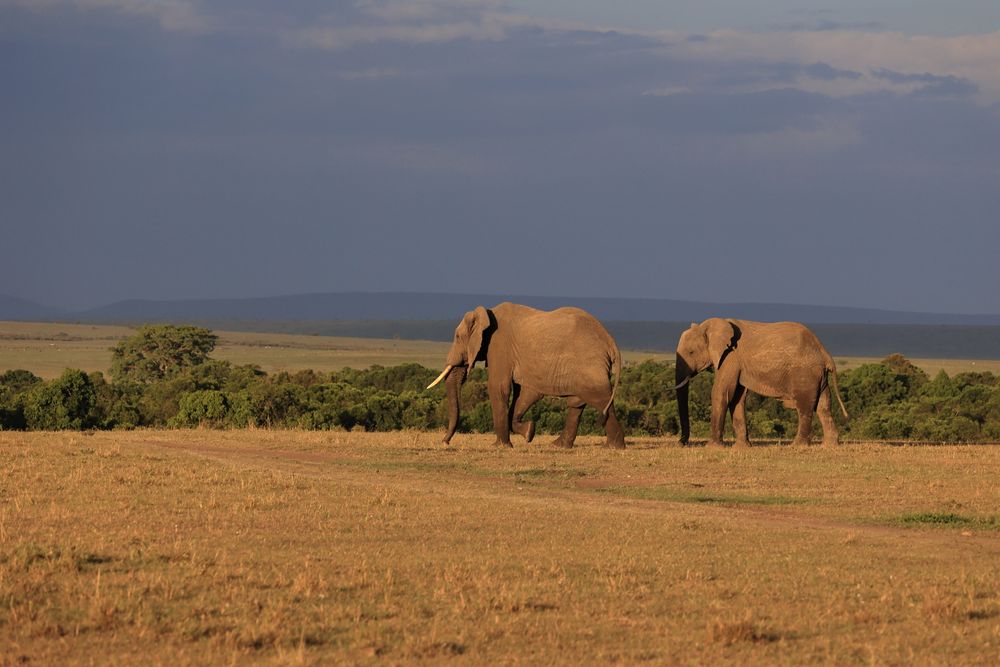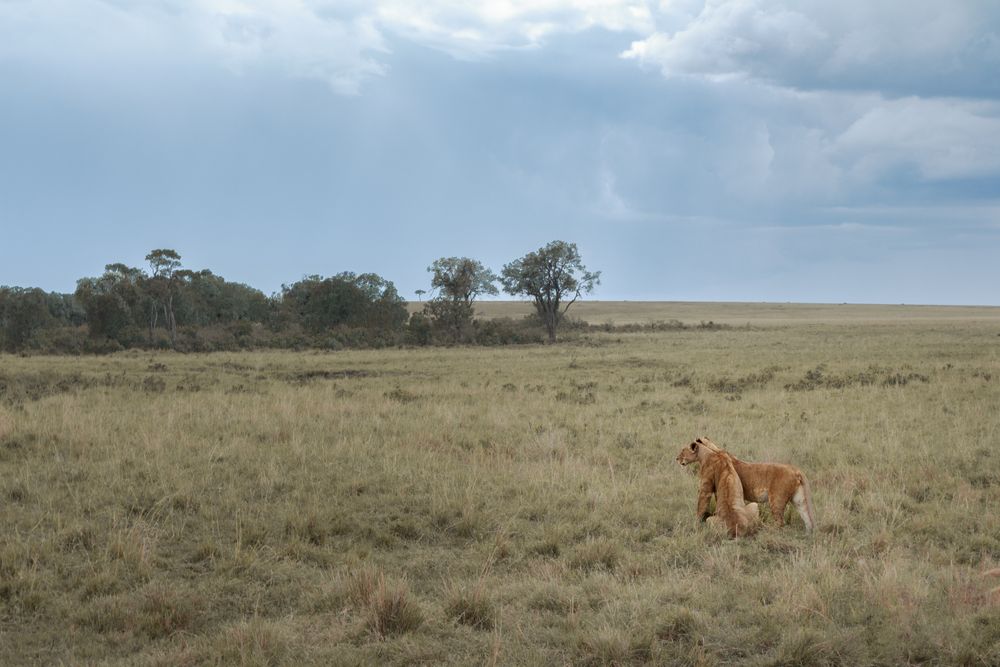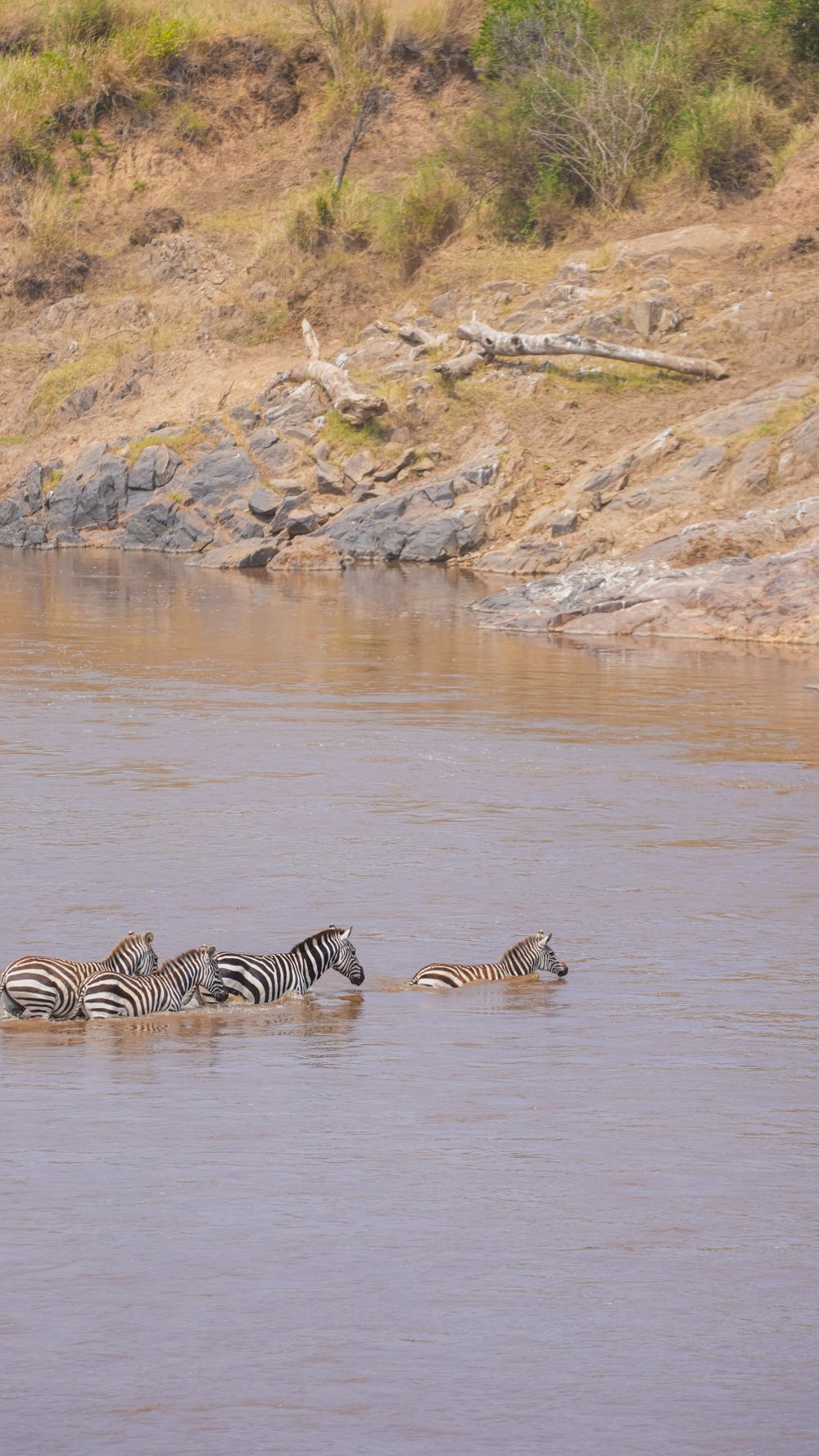
Being on the equator doesn't mean uniformly hot weather - altitude has a bigger effect. Nairobi and the highland parks sit at over 1,600m and can feel cool, especially at night and in the early morning during game drives. The coast and lower-lying parks like Tsavo and Amboseli are noticeably warmer and more humid.
Roughly June to October and January to February are Kenya's driest stretches, with warm days, cool nights inland, and generally clear skies - the most popular and most predictable weather window for a safari.
The long rains (roughly March-May) bring the heaviest and most consistent rainfall, mainly as afternoon and evening downpours rather than all-day rain. The short rains (roughly November) are lighter and less disruptive.
Layers matter more than any single item - a fleece or light jacket for cool mornings on game drives, breathable clothing for warm afternoons, and a rain jacket if you're travelling during either rainy season. See our Kenya safari packing list for the fuller picture.
Send us your dates and we'll put together an itinerary and quote based on what you've just read.