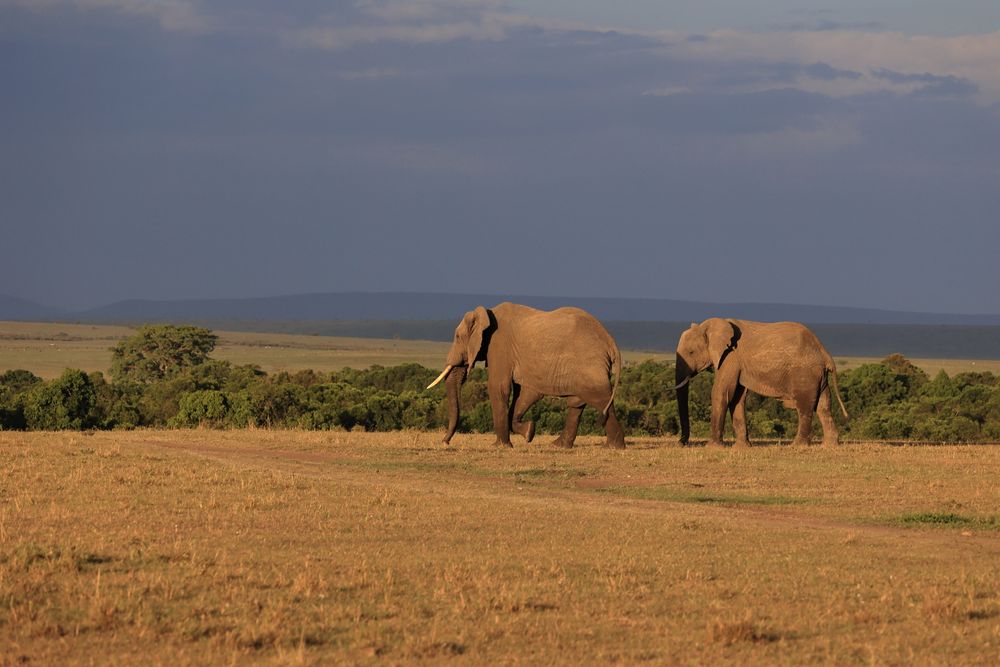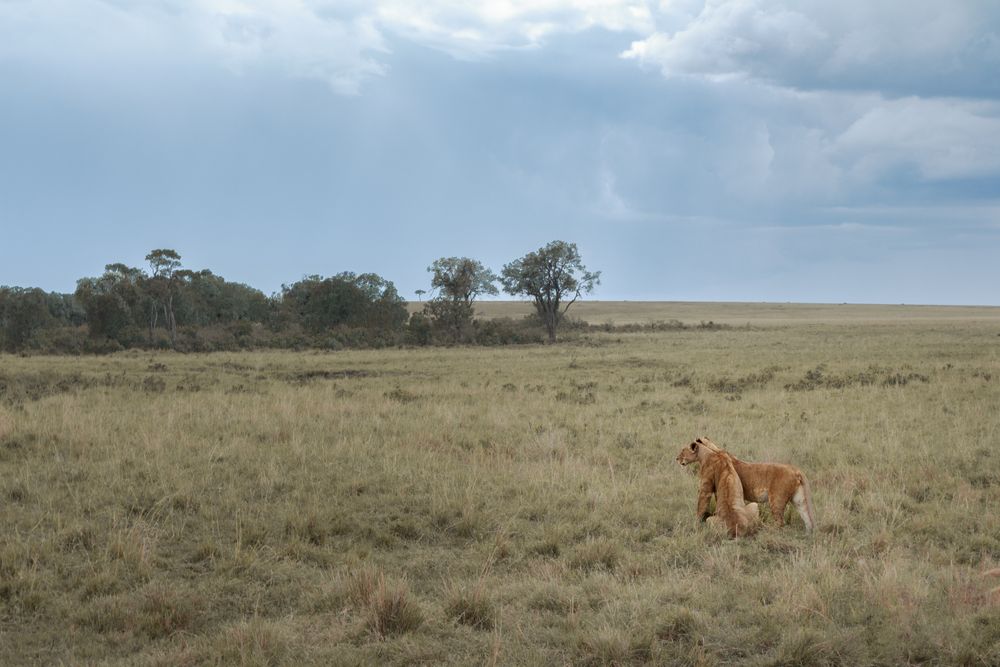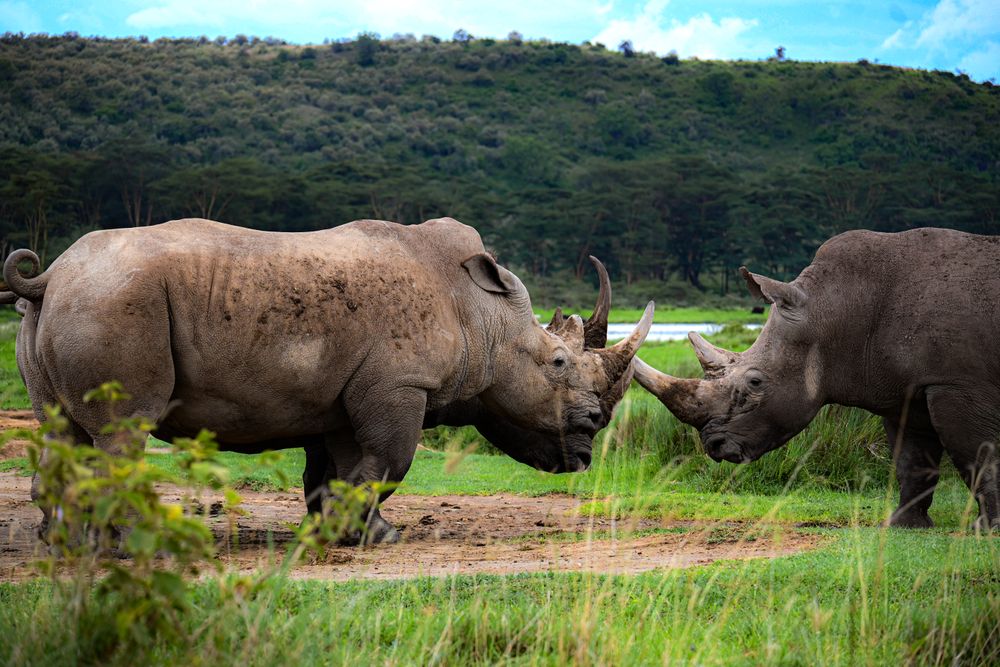
Park and conservancy fees are a major source of funding for wildlife protection in both Kenya and Tanzania, so simply visiting through legitimate, fee-paying channels already contributes. Choosing conservancies and community-run areas where a share of fees goes directly to local landowners extends that further.
Keep to your guide's instructions on vehicle distance from animals, avoid pressuring a driver to get closer for a photo, and never support operators who bait or disturb wildlife for a better sighting.
Where you can, buy crafts and services directly from local artisans and community conservancies rather than only through hotel gift shops, and consider camps and lodges that are locally owned or employ local staff in senior roles, not just support positions.
Bring a reusable water bottle - many camps now offer filtered water refills - and avoid single-use plastics where alternatives exist.
A reasonable, non-confrontational question to any operator or camp - how do you support the local community, what happens to your waste, how are guides trained on wildlife distance - is a fair thing to ask, and a good operator should have a real answer.
Send us your dates and we'll put together an itinerary and quote based on what you've just read.