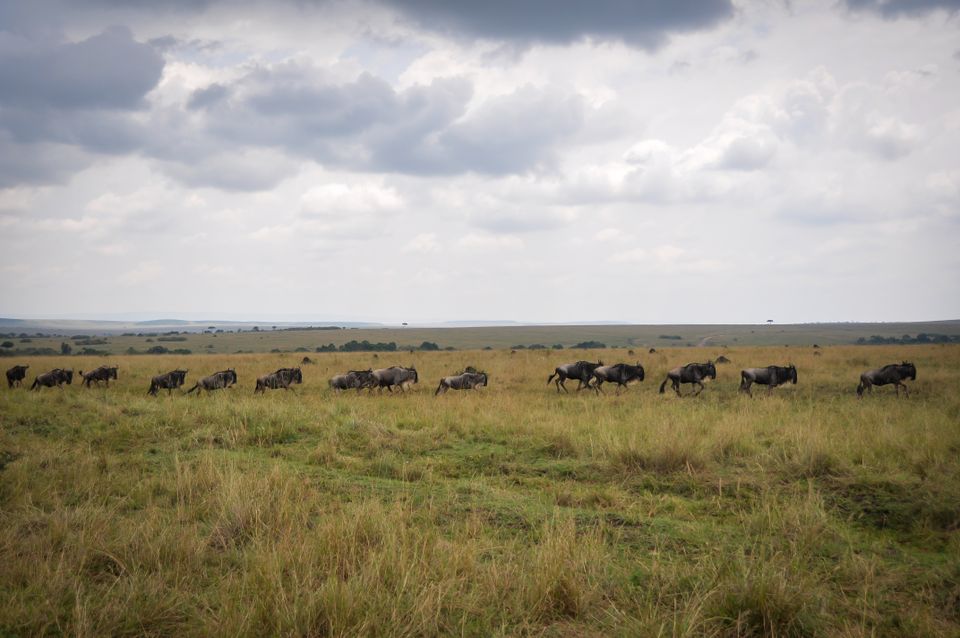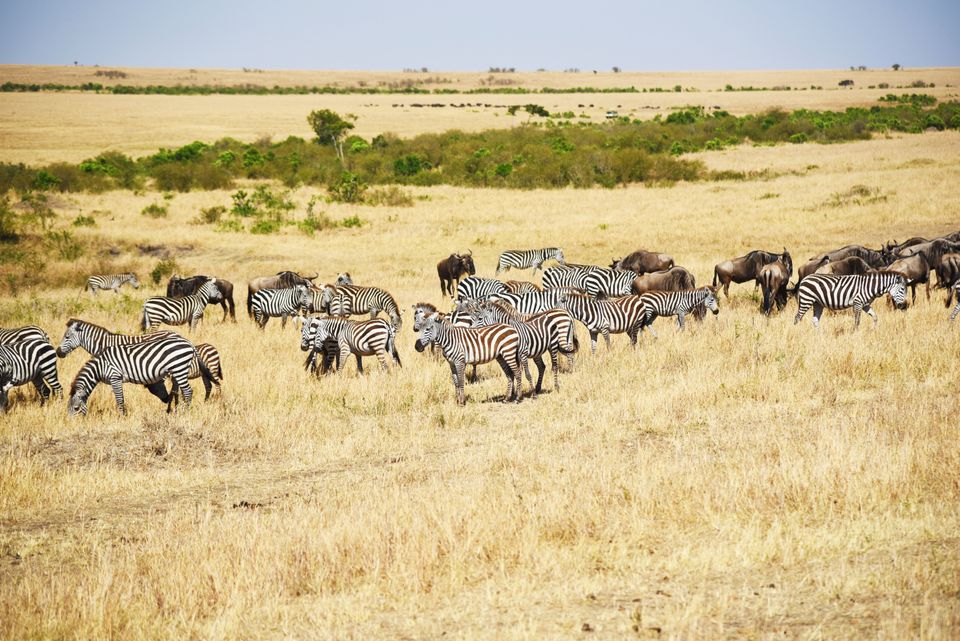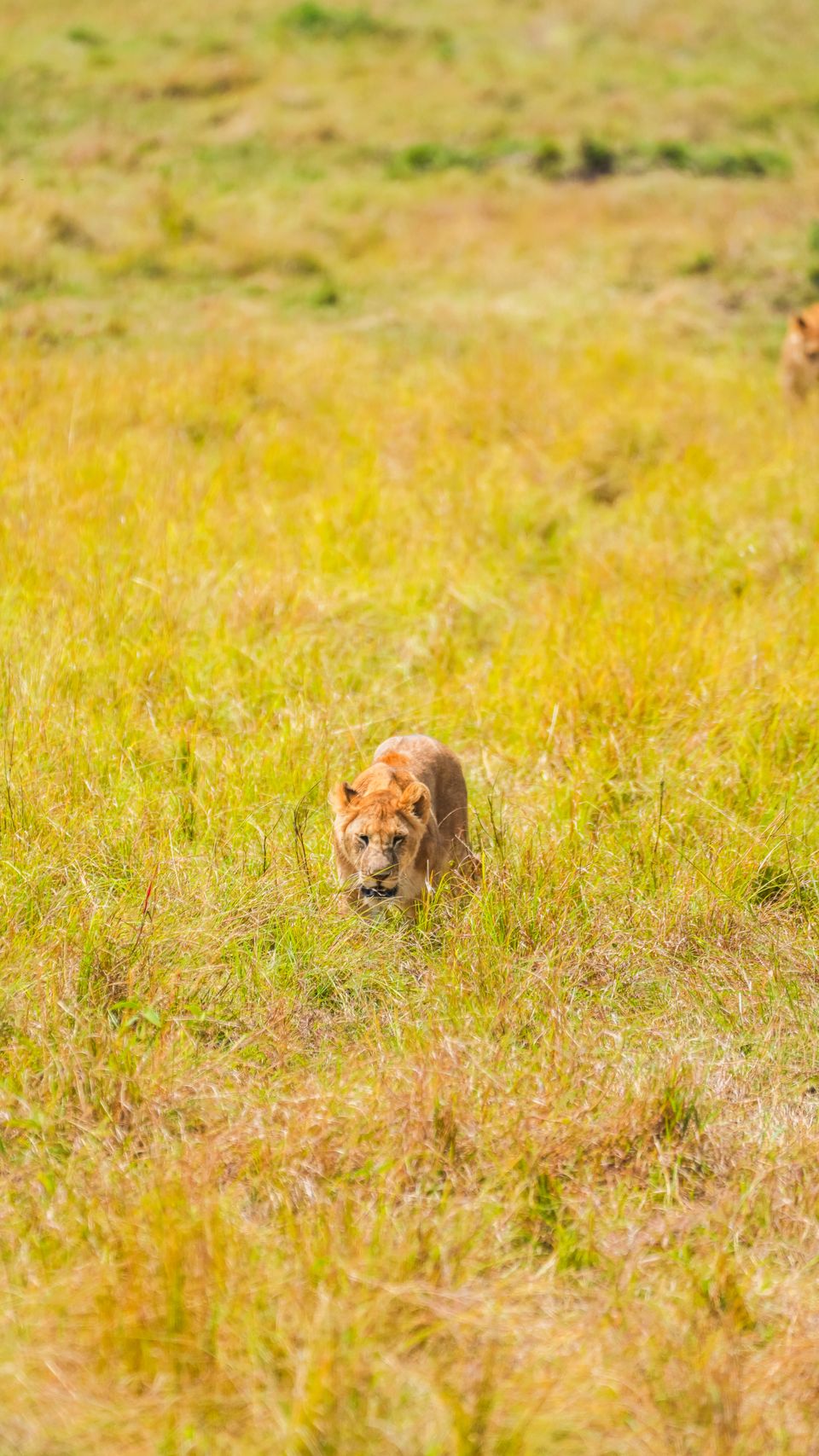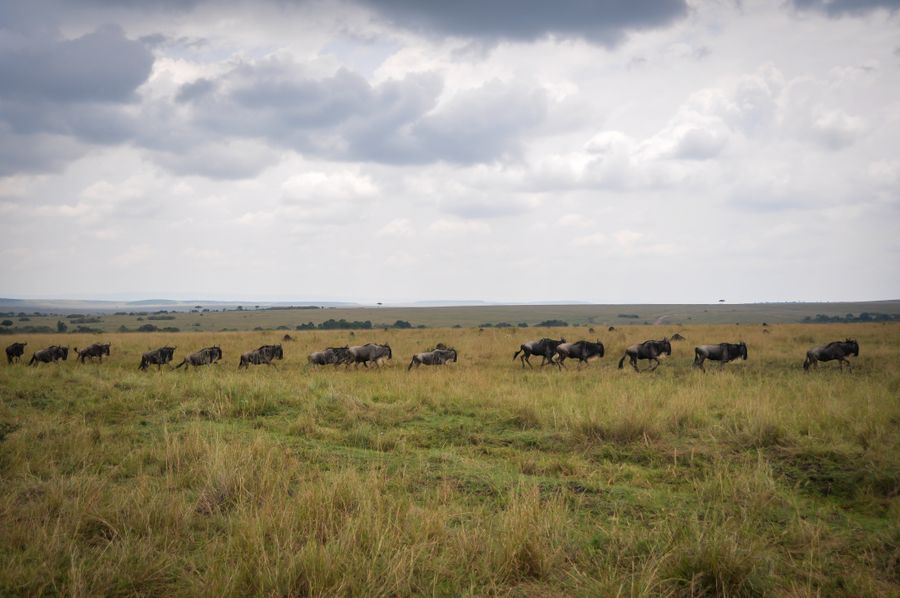
The Serengeti is one of the most written-about wildlife areas in the world - vast, largely treeless plains that host the annual wildebeest migration and support dense year-round populations of lion and other predators. It shares its northern boundary, and its ecosystem, with Kenya's Masai Mara.
Game drives across the central, northern, southern or western plains depending on season
Hot air balloon safaris at sunrise
Visits to the Serengeti Visitor Centre for context on the ecosystem
Walking safaris in select areas with an armed ranger
Year-round for resident game. The migration follows a rough annual cycle: calving in the southern plains January-March, movement north through the year, and river crossings in the northern Serengeti / Mara area roughly July-October. Exact timing shifts with rainfall each year.
Overland from Arusha (roughly 6-8 hours depending on route and stops) or via scheduled light-aircraft flights to one of the park's several airstrips, which cut travel time significantly.
An extensive range of permanent lodges, semi-permanent tented camps and seasonal mobile camps that move with the migration, spanning budget to very high-end.
Given the park's size, position matters - ask us where the migration or resident game is likely to be for your specific travel dates
Combined Serengeti/Ngorongoro entry arrangements are common on multi-park itineraries
Malaria risk area
Tell us your dates and we'll build an itinerary that includes it.