Every country publishes its own travel advisory for Kenya, covering safety, health and any region-specific guidance. We'd always point you to your own government's official advisory as the primary source, rather than relying on a tour operator's summary of it.
The Kenyan shilling (KES) is the local currency. US dollars are widely accepted for tourism services such as park fees and lodge bills, though small purchases are usually easier in shillings. See our separate guide on easy payments for more on cards, cash and mobile money.
Malaria risk exists across most of Kenya's safari areas, so antimalarial medication is worth discussing with your doctor, alongside routine travel vaccinations. Drink bottled or treated water, and bring a basic personal first-aid kit and insect repellent.
Kenyans are generally warm and welcoming, and a friendly greeting goes a long way. Ask before photographing people, dress modestly away from beach resorts and tourist lodges, and tipping guides and camp staff is customary and appreciated, though never obligatory.
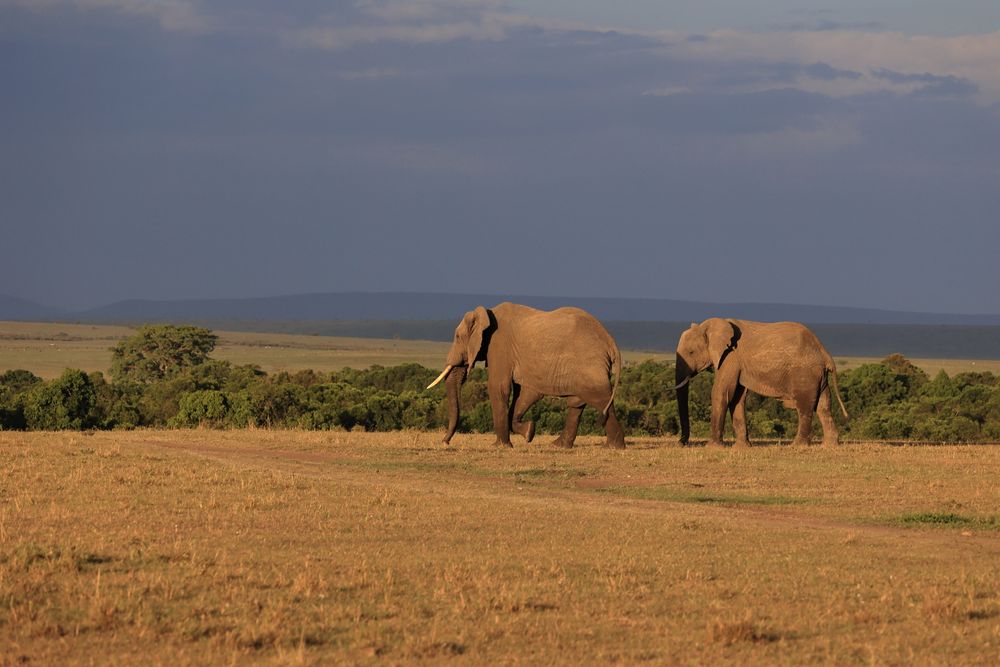
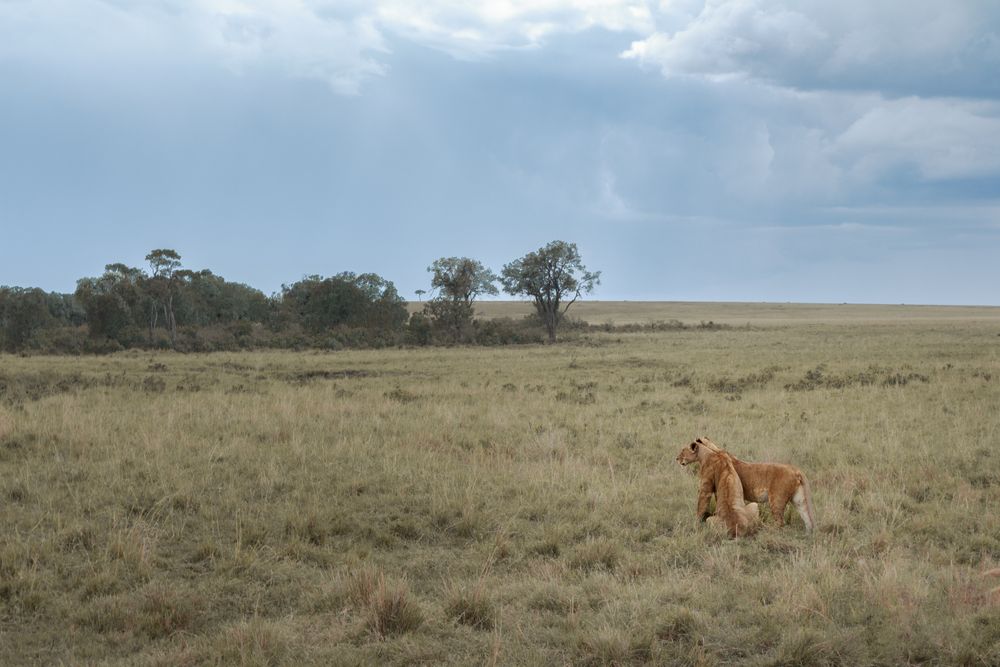
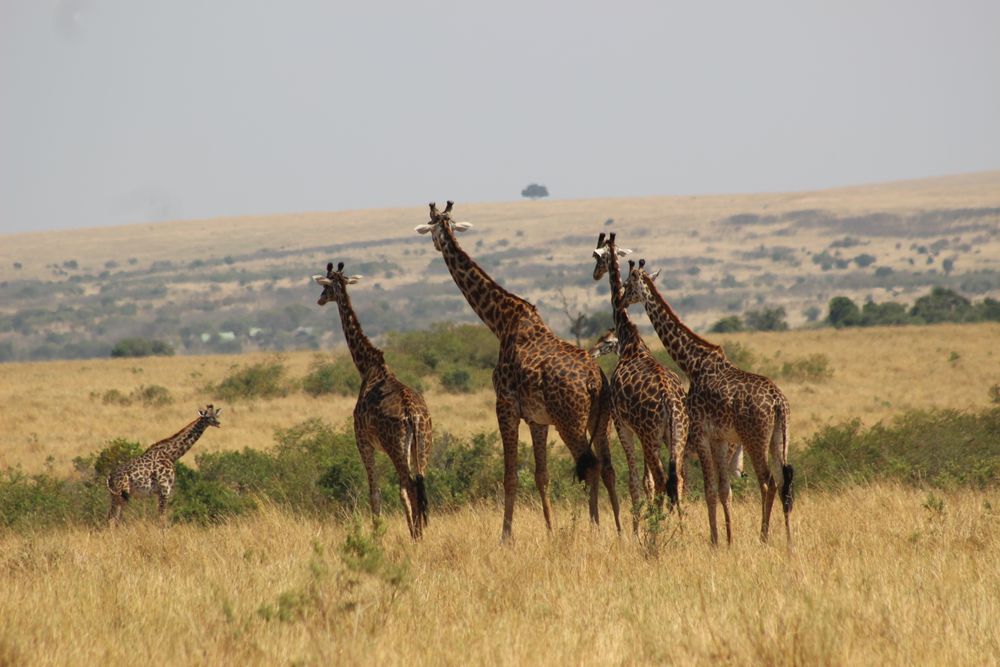
Follow your guide's instructions around wildlife at all times - stay inside the vehicle unless told otherwise, keep noise down during game drives, and never attempt to feed or approach animals.
Send us your dates and we'll put together an itinerary and quote based on what you've just read.