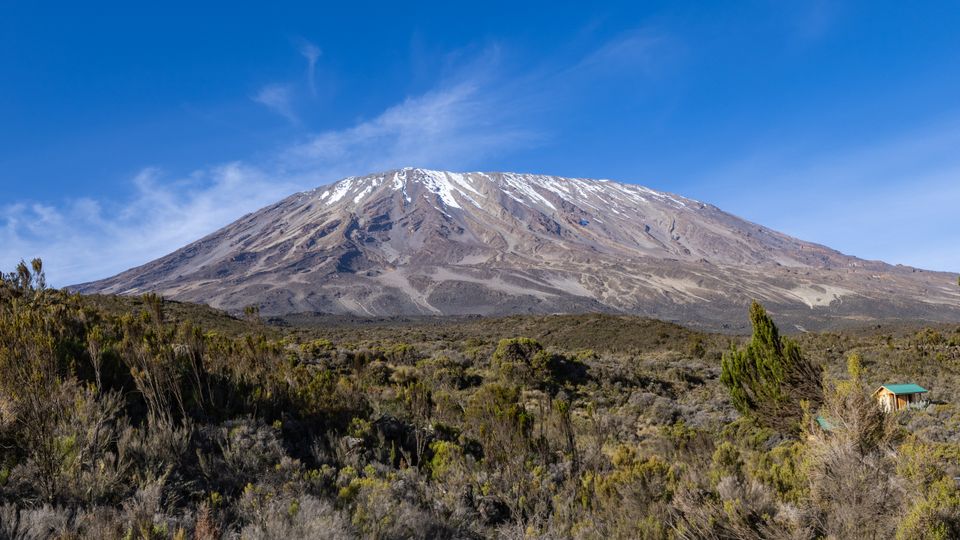
Tour Overview
Looking for a quieter way to climb Mount Kilimanjaro? The 7-day Rongai Route offers a memorable approach to Africa’s highest mountain, taking you through the scenic northern slopes of Kilimanjaro with Lisam Tours Kenya. This route begins near the Kenya–Tanzania border and is known for its distinctive landscapes, quieter early trails and views across the northern plains.
Your trek starts in the forested lower slopes before continuing into open moorland and rugged alpine terrain. Along the way, you will explore the beautiful surroundings of Mawenzi Peak, cross the broad saddle between Mawenzi and Kibo, and prepare for the final ascent to Uhuru Peak at 5,895 metres.
One of the advantages of this seven-day itinerary is the additional acclimatisation day at Mawenzi Tarn. This provides extra time to rest and undertake a guided walk, depending on conditions, before continuing to higher elevations. Although the northern side of Kilimanjaro can be drier than some southern approaches, weather conditions remain unpredictable, particularly at higher altitudes.
The Rongai Route descends via the Marangu Route, allowing you to experience different landscapes on the way up and down the mountain. While the trail is often considered quieter during its initial stages, climbing Kilimanjaro remains physically demanding and requires good preparation, appropriate equipment and careful attention to altitude safety.
With professional mountain guides, mountain accommodation, meals as specified and all applicable Kilimanjaro National Park entrance fees included, Lisam Tours Kenya will help you prepare for this rewarding mountain adventure.
Safari Highlights
Climb Mount Kilimanjaro via the scenic seven-day Rongai Route.
Approach Africa’s highest mountain from the northern side.
Enjoy views across the northern plains towards Kenya when visibility permits.
Trek through forest, woodland, moorland and alpine desert.
Explore the dramatic volcanic landscape beneath Mawenzi Peak.
Spend an additional acclimatisation day at Mawenzi Tarn.
Cross the high-altitude saddle between Mawenzi and Kibo peaks.
Attempt to reach Uhuru Peak at 5,895 metres.
Experience a different descent route via Marangu.
Enjoy mountain accommodation and the support of a professional climbing crew.
Benefit from included park entrance fees throughout the climb.
Arrival Day: Arrival in Tanzania and Climb Preparation
Upon arrival at the airport, meet your arranged driver for a transfer to your hotel in Arusha or another location confirmed in your booking. Your hotel stay is not included in the climbing package and should be arranged separately.
Meet your mountain guide for a pre-climb briefing and equipment check. During this session, you will review the Rongai Route itinerary, discuss the challenges of high-altitude trekking and learn about the importance of walking at a steady pace.
Your guide will also explain mountain safety procedures and answer questions about clothing, equipment, meals and the summit attempt. Use the remaining time to organise your gear and prepare for the journey to the northern trailhead.
Accommodation: Hotel in Arusha, arranged and paid for separately.
Day-by-Day Itinerary
D1
Rongai Gate to Simba Camp
Rongai Gate → Simba Camp
Elevation: Approximately 1,950 m to 2,600 m
Distance: Approximately 7 km
Hiking Time: Around 3–5 hours
Landscape: Forest and open woodland
After breakfast, travel towards Rongai Gate, where your mountain team will complete the required registration and entry procedures. Once preparations are complete, begin your Kilimanjaro trek through the forested northern slopes.
The trail climbs gradually through woodland, offering a peaceful introduction to the mountain. Compared with some of the busier approaches, the early Rongai trail can feel more secluded, allowing you to appreciate the surrounding vegetation and mountain scenery.
As you gain elevation, the forest gradually becomes more open. On clear days, you may enjoy views across the northern plains towards Kenya.
Continue to Simba Camp, where your crew will arrange the campsite. Enjoy dinner, relax and prepare for the next day’s longer trek.
Accommodation: Mountain campsite at Simba Camp.
D2
Simba Camp to Kikelewa Camp
Simba Camp → Kikelewa Camp
Elevation: Approximately 2,600 m to 3,600 m
Distance: Approximately 10–13 km
Hiking Time: Around 6–7 hours
Landscape: Open moorland and highland terrain
After breakfast, continue climbing through increasingly open terrain towards the second cave area, where a rest or lunch stop may be arranged.
The trail gradually leaves the woodland behind and enters the broad moorland zone. As you progress, the surrounding landscape becomes more rugged, with wide views across the northern slopes of Kilimanjaro.
Continue along the quieter trail towards Kikelewa Camp on the eastern side of the mountain. The steady ascent requires energy, so follow your guide’s pace, drink water regularly and take breaks when necessary.
Arrive at camp in the afternoon, settle in and enjoy a warm meal prepared by your mountain crew.
Accommodation: Mountain campsite at Kikelewa Camp.
D3
Kikelewa Camp to Mawenzi Tarn Camp
Kikelewa Camp → Mawenzi Tarn Camp
Elevation: Approximately 3,600 m to 4,300 m
Distance: Approximately 6–7 km
Hiking Time: Around 4 hours
Landscape: Moorland and alpine terrain
After breakfast, leave Kikelewa Camp and climb towards Mawenzi Tarn. The route crosses grassy slopes and rocky ground as you approach the striking formations of Mawenzi Peak.
Mawenzi is known for its jagged volcanic ridges and dramatic appearance. The scenery changes noticeably as you climb higher, with less vegetation and increasingly exposed mountain terrain.
Arrive at Mawenzi Tarn Camp, situated in a spectacular high-altitude setting beneath the peaks. Spend the remainder of the day resting, drinking water and allowing your body time to adjust to the elevation.
Your guide will explain the following day’s acclimatisation plan and advise on how to prepare for the higher stages of the climb.
Accommodation: Mountain campsite at Mawenzi Tarn.
D4
Acclimatisation Day at Mawenzi Tarn
Acclimatisation Day at Mawenzi Tarn
Overnight Elevation: Approximately 4,300 m
Activity: Guided acclimatisation walk, depending on conditions
Spend an additional day at Mawenzi Tarn to allow more time for acclimatisation before continuing towards Kibo Hut.
After breakfast, your guide may arrange a suitable walk in the surrounding area. The route and maximum elevation will depend on the weather, trail conditions and how the group is feeling. The aim is to support gradual adjustment to the altitude without unnecessary exertion.
Take time to enjoy the dramatic mountain scenery while following your guide’s advice about pacing, hydration and rest. If you experience symptoms that may indicate altitude illness, inform your guide immediately.
Return to camp for meals and relaxation. Use the evening to prepare your equipment for the trek across the saddle towards Kibo Hut.
Accommodation: Mountain campsite at Mawenzi Tarn.
D5
Mawenzi Tarn to Kibo Hut
Mawenzi Tarn → Kibo Hut
Elevation: Approximately 4,300 m to 4,700 m
Distance: Approximately 8–9 km
Hiking Time: Around 4–5 hours
Landscape: High-altitude alpine desert
After breakfast, leave Mawenzi Tarn and continue towards the broad saddle connecting Mawenzi and Kibo peaks. This section crosses exposed high-altitude terrain where volcanic rock, sparse vegetation and expansive views dominate the landscape.
The trail may appear relatively open, but the altitude can make walking more demanding. Maintain a steady pace, stay with your group and follow your guide’s instructions.
Continue to Kibo Hut, where you will prepare for the summit attempt. After arrival, have your meal, organise your warm clothing and headlamp, and attend the summit briefing.
Your guide will review the departure time, route conditions and safety procedures for the overnight ascent. Try to rest as much as possible before the climb towards Uhuru Peak.
Accommodation: Kibo Hut or the designated mountain accommodation confirmed for your package.
D6
Kibo Hut to Uhuru Peak and Horombo Hut
Kibo Hut → Uhuru Peak and Horombo Hut
Elevation: Approximately 4,700 m to 5,895 m, followed by descent to around 3,720 m
Distance: Approximately 17 km in total, depending on the confirmed route
Hiking Time: Around 10–15 hours or longer
Landscape: Alpine desert and arctic summit zone
The summit attempt usually begins around midnight. Set off with your guide and climb slowly through the cold, dark conditions towards the crater rim.
The ascent is strenuous, and the combination of steep terrain, low temperatures and high altitude can make progress difficult. Your guide will monitor your condition and determine whether it is safe to continue.
Depending on your progress and the conditions, you will approach the crater rim at Gilman’s Point or another designated point before continuing towards Uhuru Peak.
At 5,895 metres, Uhuru Peak is the highest point in Africa. If weather conditions and your physical condition allow, take a short time to appreciate the achievement and capture photographs before beginning the descent.
Descend carefully to Kibo Hut for a short rest and refreshments. Continue down to Horombo Hut, where you will have dinner and spend the night recovering after the long summit day.
Accommodation: Horombo Hut.
D7
Horombo Hut to Marangu Gate and Transfer
Horombo Hut → Marangu Gate and Transfer
Elevation: Approximately 3,720 m to 1,870 m
Distance: Approximately 18–20 km
Descending Time: Around 5–7 hours
Landscape: Moorland and montane rainforest
After breakfast, begin the final descent from Horombo Hut towards Marangu Gate. Follow the trail through open moorland and continue towards Mandara Hut, where you can stop for a break.
From Mandara, descend through the lush rainforest. The lower slopes offer a welcome change from the exposed alpine environment, although some sections may be wet or slippery.
Upon reaching Marangu Gate, complete the required exit procedures. Climbers who meet the applicable requirements may receive a summit certificate recognising their achievement.
Your driver will meet you for the arranged transfer to Arusha or another agreed destination, marking the end of your seven-day Rongai Route climb.
Accommodation: Hotel accommodation after the climb is not included in the package and must be arranged separately.
What's Included
- All applicable Kilimanjaro National Park entrance fees.
- Applicable mountain camping and hut accommodation fees.
- Mountain camping accommodation at the scheduled camps.
- Mountain hut accommodation where specified in the itinerary.
- Professional mountain guide and supporting crew.
- Porters and cook for the climb.
- Meals and drinking water on the mountain, as specified in the confirmed quotation.
- Transfers to and from the relevant mountain gates, as specified in your package.
- Pre-climb briefing and trekking equipment check.
- Applicable rescue fees, where specified in the confirmed quotation.
- Summit certificate for eligible climbers, subject to the relevant requirements.
What's Excluded
- International flights.
- Tanzania visa fees and other personal travel documentation costs.
- Hotel accommodation before and after the climb.
- Personal trekking clothing and equipment.
- Travel insurance, including high-altitude trekking and emergency evacuation cover.
- Tips and gratuities for guides, porters, cooks and other mountain crew.
- Personal expenses and additional drinks not included in the itinerary.
- Additional hotel nights, meals or transfers outside the confirmed arrangements.
- Any additional services not expressly listed under package inclusions.
Accommodation & Safari Vehicle
Accommodation: Mountain camping and designated mountain huts
Vehicle: Road transfers to and from the mountain gates
Best Time to Visit
The two main dry windows are late June to October and December to mid-March, offering more stable weather. The long rains (April-May) are generally avoided for climbing.
Frequently Asked Questions
What makes the Rongai Route different from other Kilimanjaro routes?
The Rongai Route approaches Mount Kilimanjaro from the northern side near the Kenya–Tanzania border. It offers different scenery from the southern approaches, with forest, open moorland and views across the northern plains. Its early stages can also be quieter than some of the more frequently used routes.
Are all park entrance fees included in the package?
Yes. All applicable Kilimanjaro National Park entrance fees are included in this climbing package. Applicable camping fees, hut fees and other charges are included as specified in your confirmed quotation.
Is accommodation included in the seven-day Rongai Route climb?
Mountain accommodation is included for the scheduled nights specified in the itinerary. Hotel accommodation before and after the climb is not included and must be arranged separately unless expressly added to your booking.
Is the Rongai Route suitable for beginners?
The route may appeal to climbers who prefer a quieter approach, but Mount Kilimanjaro is a high-altitude mountain and the summit attempt is demanding. Beginners should prepare carefully, understand the risks of altitude illness and consider whether a longer itinerary would provide more suitable acclimatisation time.
Is the Rongai Route suitable during the rainy season?
The northern side of Kilimanjaro can be drier than some southern approaches, but conditions vary throughout the year. Rain, cold temperatures and even snow are possible, especially at higher elevations. Appropriate clothing and equipment are essential regardless of your travel dates.
Does the seven-day Rongai Route include an acclimatisation day?
Yes. This itinerary includes an additional day at Mawenzi Tarn, with a guided acclimatisation walk planned according to weather, trail conditions and the group’s health. Extra acclimatisation time can be beneficial, but it does not remove the risk of altitude illness.
How difficult is the summit attempt on the Rongai Route?
The summit attempt is one of the most challenging parts of the trek. Climbers usually start around midnight and ascend through cold, high-altitude terrain before beginning a long descent. The actual duration depends on the weather, trail conditions and each climber’s progress.
What should I pack for the Rongai Route Kilimanjaro climb?
Pack layered clothing, a waterproof jacket and trousers, warm gloves, a warm hat, sturdy hiking boots, a headlamp, a suitable sleeping bag, a daypack, sun protection and personal essentials. Your operator should provide a detailed packing list before departure.
When is the best time to climb Mount Kilimanjaro via the Rongai Route?
The mountain can be climbed throughout much of the year, but the relatively drier periods are often preferred. Weather changes quickly at high altitude, so discuss your preferred travel dates with your operator and prepare for both cold and wet conditions.
Ready to go?
Reserve the 7-Day Mount Kilimanjaro Climb via the Rongai Route in under a minute - no payment needed now.
Book Now